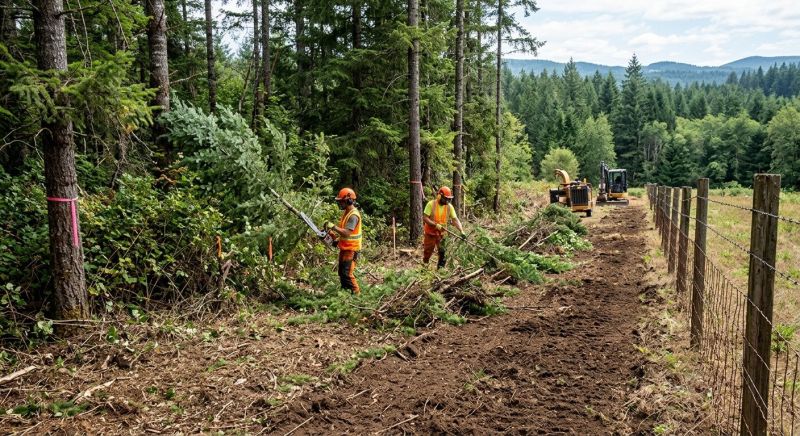
Thicket Clearing in Utah County, UT
Thicket clearing services involve removing dense clusters of bushes, shrubs, and underbrush to improve the appearance, safety, and usability of a property. These services are often requested for projects such as preparing land for new construction, creating open spaces for recreation or landscaping, or managing overgrown areas that hinder access or visibility. Homeowners typically seek this service when existing vegetation has become too thick or unruly, making it difficult to maintain or enjoy the outdoor space.
Before requesting thicket clearing, property owners should consider the extent of the area to be cleared and any specific goals for the land afterward. It’s helpful to understand the types of vegetation present, potential obstacles like fallen branches or debris, and whether any protected plants or trees are involved. Clarifying these details can ensure the project meets expectations and that the cleared space is suitable for future use or development.
Many property owners in Utah County, UT look into Thicket Clearing for repairs, replacements, upgrades, and appearance-related improvements.
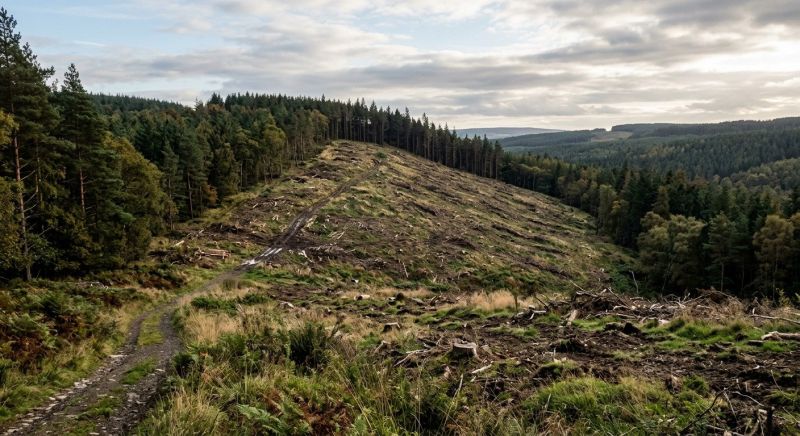
Thicket Clearing For Property Development
Removing dense brush and overgrowth to prepare land for construction or landscaping projects.
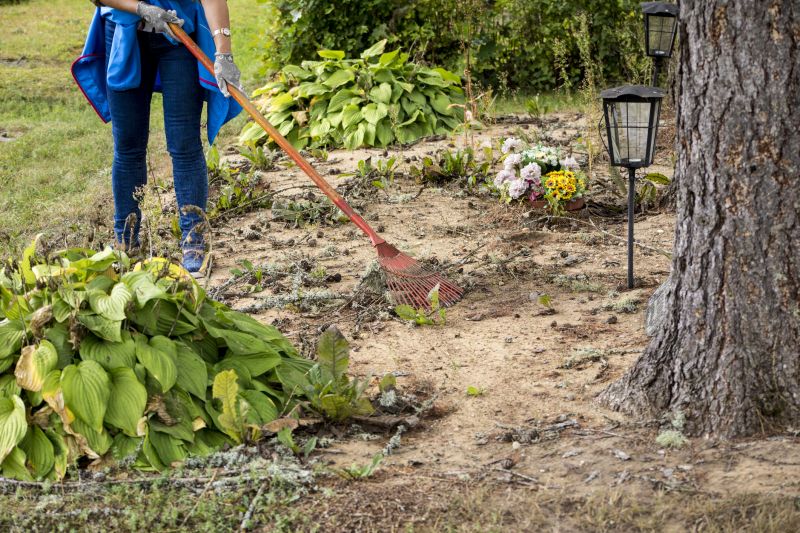
Land Maintenance And Property Improvement
Clearing thickets helps enhance visibility, safety, and accessibility on residential and commercial properties.
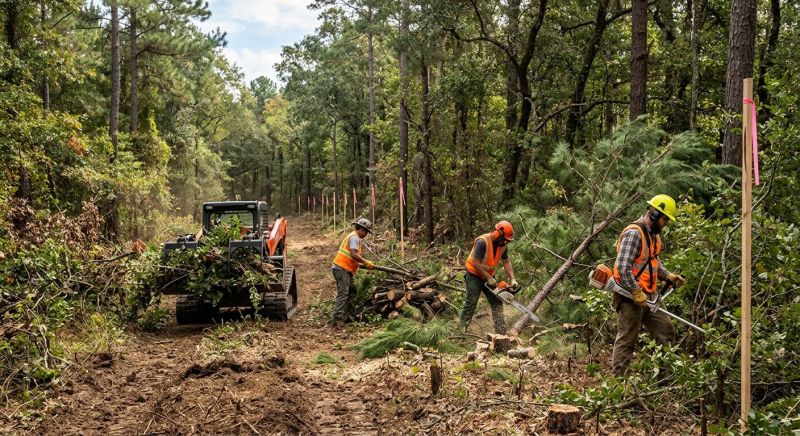
Wildfire Risk Reduction
Thorough clearing reduces combustible vegetation, lowering fire hazards in utah county and surrounding areas.
Thicket Clearing in Utah County, UT
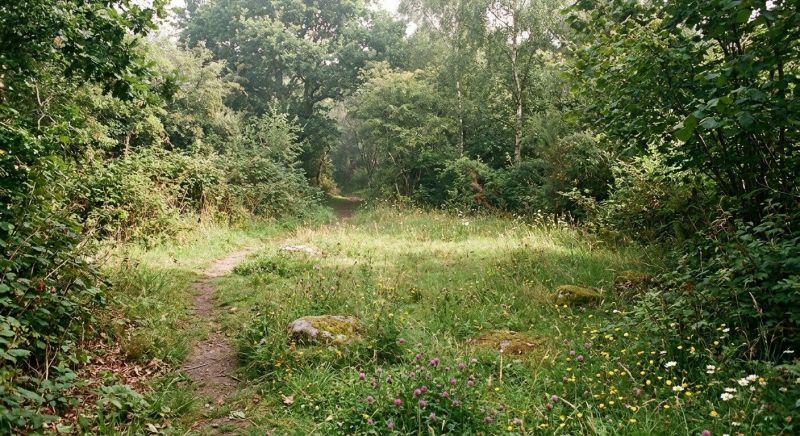
Thicket clearing services involve removing dense clusters of bushes, shrubs, and underbrush to improve the appearance, safety, and usability of a property. These services are often requested for projects such as preparing land for new construction, creating open spaces for recreation or landscaping, or managing overgrown areas that hinder access or visibility. Homeowners typically seek this service when existing vegetation has become too thick or unruly, making it difficult to maintain or enjoy the outdoor space.
Before requesting thicket clearing, property owners should consider the extent of the area to be cleared and any specific goals for the land afterward. It’s helpful to understand the types of vegetation present, potential obstacles like fallen branches or debris, and whether any protected plants or trees are involved. Clarifying these details can ensure the project meets expectations and that the cleared space is suitable for future use or development.
Many property owners in Utah County, UT look into Thicket Clearing for repairs, replacements, upgrades, and appearance-related improvements.
Common Thicket Clearing Jobs
Thicket clearing involves removing dense brush and undergrowth to improve property visibility and access.
Overgrown lot clearing helps prepare land for development or landscaping projects.
Brush removal addresses unmanaged vegetation that can attract pests or cause fire hazards.
Vegetation management includes thinning thick growth to promote healthier plant life.
Wildfire prevention clearing reduces combustible materials in areas prone to fires.
Property maintenance clearing keeps outdoor spaces safe and accessible for everyday use.
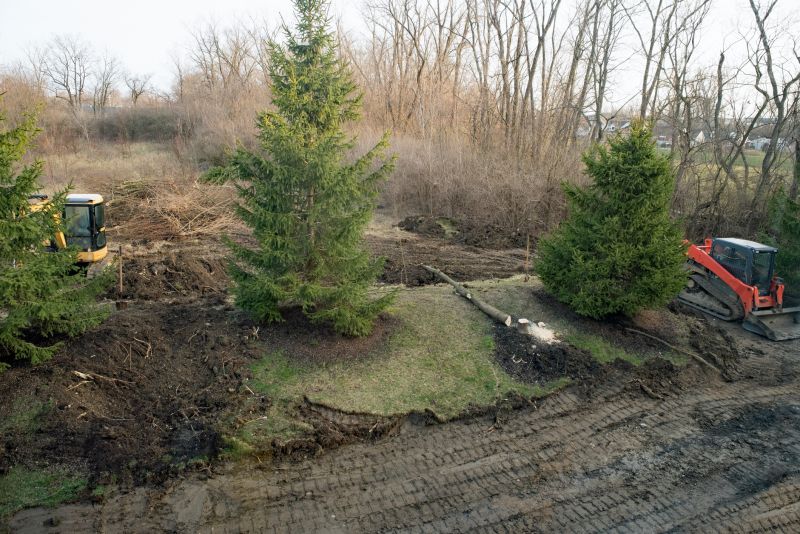
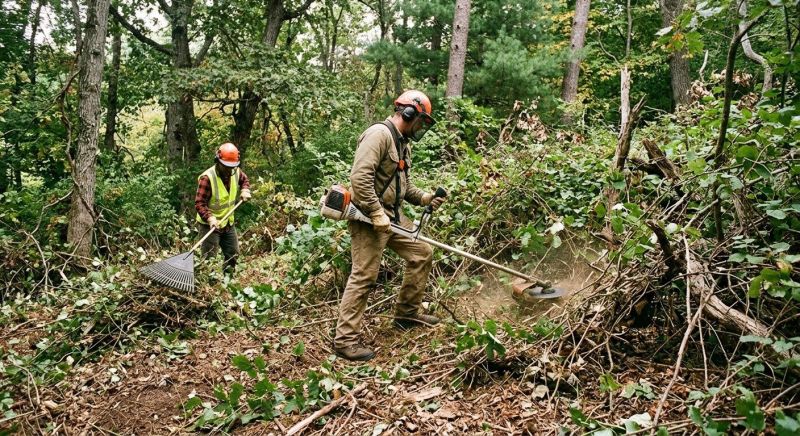
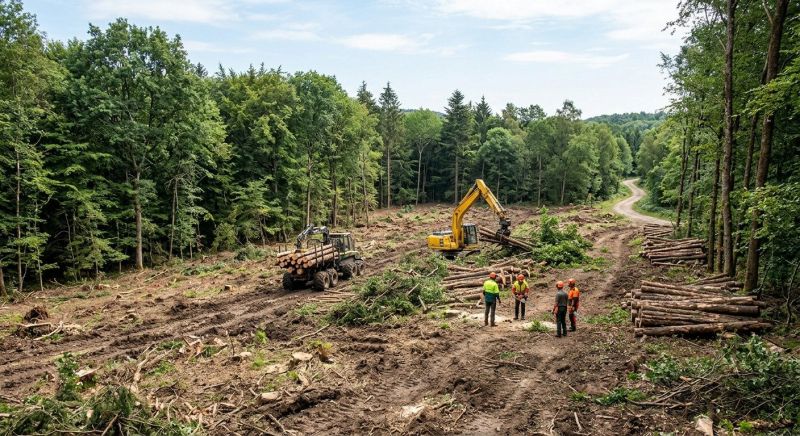
Thicket Clearing Questions
What is thicket clearing? Thicket clearing involves removing dense brush and woody vegetation to open up land for development, agriculture, or landscaping projects.
When is thicket clearing needed? It is typically requested when clearing overgrown areas to improve accessibility, prevent fire hazards, or prepare land for construction.
What equipment is used for thicket clearing? Heavy machinery such as bulldozers, excavators, and brush cutters are commonly used to efficiently clear thick vegetation.
Are there any property considerations for thicket clearing? Property owners should ensure proper disposal of cleared material and check local regulations regarding land clearing practices.
Request Thicket Clearing in Utah County, UT
Use the quote form on this page to share the basics of your project and request more information for the type of work you need.